
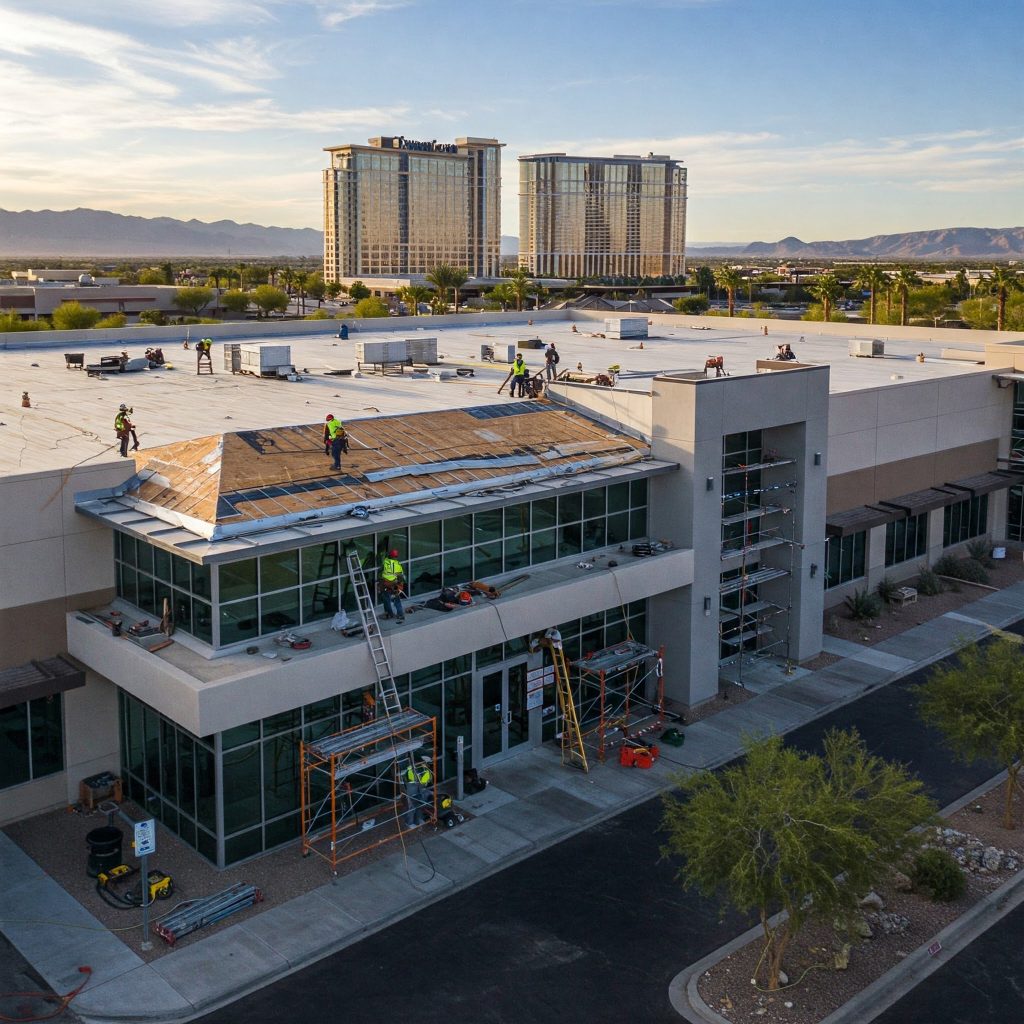
Corpus Christi roof inspections need a sharper eye than inspections in most inland cities. Buildings along the Coastal Bend face steady Gulf winds, salty air, intense sun, heavy rain, and the threat of hurricanes from June through November. Each of these forces attacks a roof in its own way. Wind lifts edges and loosens fasteners. Salt corrodes metal. Sun breaks down membranes. Storm surge and driving rain test every seam. This guide explains what a thorough coastal inspection should cover, so you can catch problems before the next big storm.
Teams managing property in Corpus Christi, Portland, and Rockport can use it to plan their inspection program.
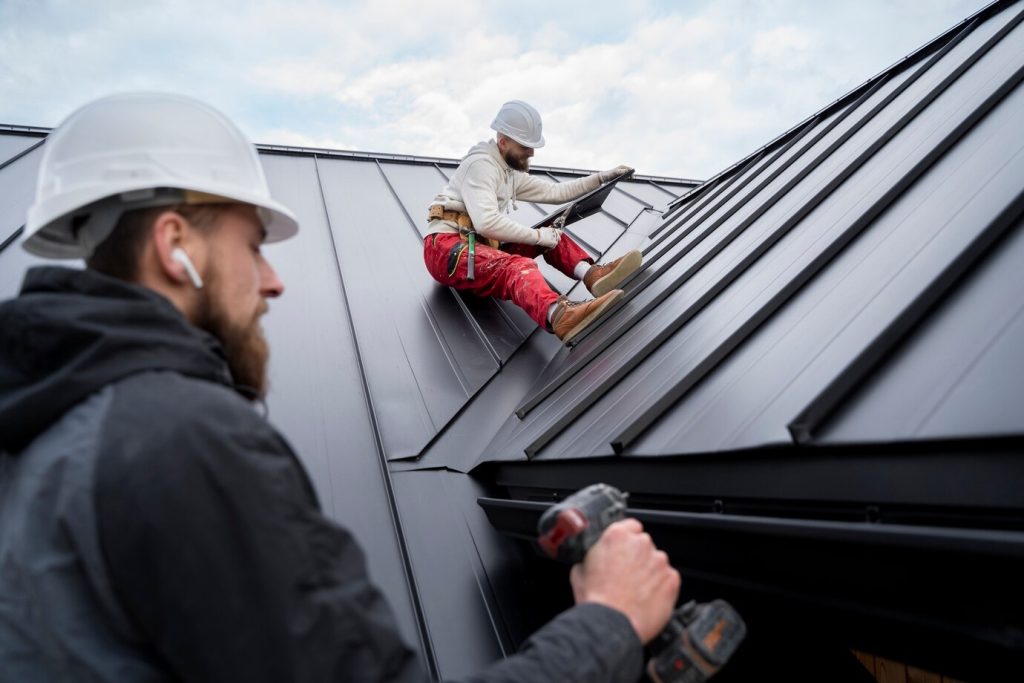
Why Coastal Roofs Need Special Attention
Coastal roofs live in a harsh environment. Even on calm days, salt air settles on metal and slowly eats away at it. Meanwhile, strong sea breezes flex roof edges day after day. Then, when tropical storms arrive, winds can peel weak roofs right off the building. In 2017, Hurricane Harvey made landfall nearby and showed how much damage wind can do. As a result, Corpus Christi roof inspections should be regular, detailed, and documented.
How Often to Inspect
Most experts suggest inspecting commercial roofs at least twice a year. On the coast, add inspections:
- Before hurricane season, usually in late spring
- After any tropical storm or hurricane
- After strong cold fronts with high winds
- After any roof work by other trades
Regular checks find small problems before storms make them big ones.
Corpus Christi Roof Inspections: Wind Uplift
Wind is the biggest threat to coastal roofs. It creates suction that pulls up on the roof, especially at corners and edges. So inspectors focus on:
- Edge metal and coping that may be loose or bent
- Fasteners and plates that may have backed out
- Seams that may be lifting or open
- Membrane areas that billow or feel loose
- Rooftop equipment that may not be secured
A loose edge is often where a roof failure begins. Therefore, fixing edges early is one of the best investments you can make.

Corpus Christi Roof Inspections for Salt Air Corrosion
Salt speeds up rust on metal roofs, fasteners, flashing, and rooftop units. Inspectors look for rust stains, flaking coatings, and weakened fasteners. They also check metal panels for pitting, especially near the edges and overlaps. On membrane roofs, they check metal edge details and drains. Catching corrosion early allows cleaning, coating, or replacing small parts instead of entire systems.
Sun and Heat in Corpus Christi Roof Inspections
Coastal sun is strong, and the heat lasts for months. Over time, UV light dries out membranes and sealants. So inspectors check for cracking, chalking, shrinking, and open seams. They also look at sealant around penetrations, which often fails first in the heat.
Corpus Christi Roof Inspections for Drainage
Heavy rain bands can dump inches of water in hours. So drains must work. Inspectors clear debris from drains and scuppers, check strainers, and look for ponding. They also confirm that overflow drains are clear. Blocked drains during a storm can add heavy weight to the roof and cause leaks.
Windstorm Rules on the Texas Coast
Nueces County is part of the Texas coastal area where special windstorm building requirements apply. In this area, many roof replacements and some repairs need inspection and certification so the property can be insured through the Texas Windstorm Insurance Association. The Texas Department of Insurance windstorm program explains these rules. Ask your roofer whether your project needs a windstorm certificate.
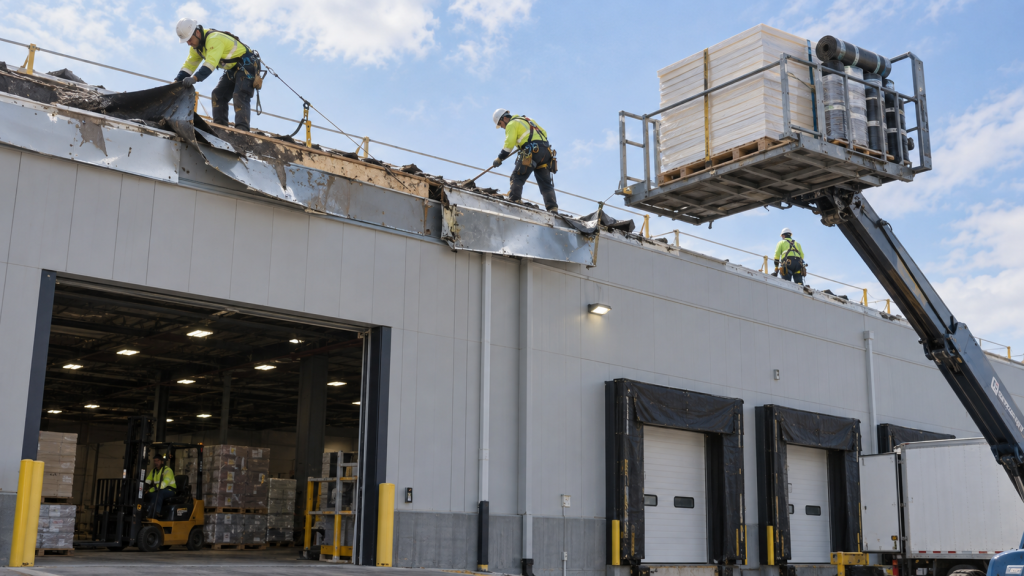
Documenting Corpus Christi Roof Inspections
Good records matter, especially for insurance. After each inspection, keep a report with photos, notes, and a roof plan showing problem areas. Include dates and weather conditions. Before hurricane season, store copies off site or in the cloud. If a storm hits, these records help prove the roof’s prior condition.
Preparing for Hurricane Season
A pre-season checklist helps:
- Secure loose edge metal and coping.
- Fasten or strap rooftop equipment.
- Clear drains, gutters, and scuppers.
- Remove loose debris and stored items.
- Repair open seams and damaged flashing.
- Update emergency contacts and plans.
The National Weather Service Corpus Christi office posts storm forecasts that help with timing.
After a Storm
Once it is safe, inspect the roof as soon as possible. Look for missing sections, lifted edges, punctures, and debris. Check inside the building for leaks. Then document everything with photos. Fast temporary repairs can prevent further water damage. Learn what happens next on our emergency roofing page.
Choosing an Inspector
Choose a commercial roofer or consultant with coastal experience. Ask whether they understand windstorm rules and salt-air corrosion. Also ask for sample reports. A good report is clear, detailed, and includes photos. Our roof inspection services page describes what we cover.
Rooftop Equipment on the Coast
Rooftop units, fans, and solar arrays catch a lot of wind up there. If they are not tied down, storms can shift or tip them. Then they can tear the roof below. So inspectors check curbs, straps, and fasteners on every unit. They also look for rust on unit housings and stands. Secure equipment protects both the roof and the building.
Corpus Christi Roof Inspections for Metal Roofs
Many coastal buildings have metal roofs. They handle wind well when installed right. However, salt air can attack fasteners and panel edges. So inspectors check for rust, loose screws, and worn washers. They also look at panel laps and ridge caps. Small fixes, like replacing rusty fasteners, can add years to a metal roof.
Working With Your Insurer
Coastal insurance can be complex. Policies may have special wind deductibles. Some require proof of regular maintenance. So share inspection reports with your agent each year. Ask what records they want after a storm. Clear records can make claims faster and smoother, and they may even help lower premiums over time.
Building a Coastal Maintenance Plan
Inspections work best as part of a plan. Set dates for spring and fall checks. Add a pre-storm check each May. Budget for small repairs each year. Then review the plan after each hurricane season. Over time, this routine keeps your roof strong and your costs steady. It also gives you a clear record of care, which insurers and buyers both value. In short, steady Corpus Christi roof inspections pay for themselves.
Common Mistakes to Avoid
- Skipping inspections before hurricane season
- Ignoring small rust spots on metal
- Leaving rooftop equipment unsecured
- Forgetting overflow drains
- Not keeping inspection records
FAQ on Corpus Christi Roof Inspections
How often should Corpus Christi roof inspections happen?
At least twice a year, plus before hurricane season and after major storms.
Do I need a windstorm certificate?
Many roof projects in the coastal area do. Ask your roofer to confirm before work starts. Without the certificate, insuring the building through the state windstorm pool can become difficult.
What do inspectors check first?
Usually edges, flashing, seams, and drains, since these fail most often in wind. After that, they check rooftop equipment and any metal parts for rust. A full visit on a mid-size roof often takes an hour or two.
Stay Ahead of the Storm
Regular inspections protect your roof, your building, and your insurance coverage. Visit our Corpus Christi roofing page, or schedule an inspection today.