
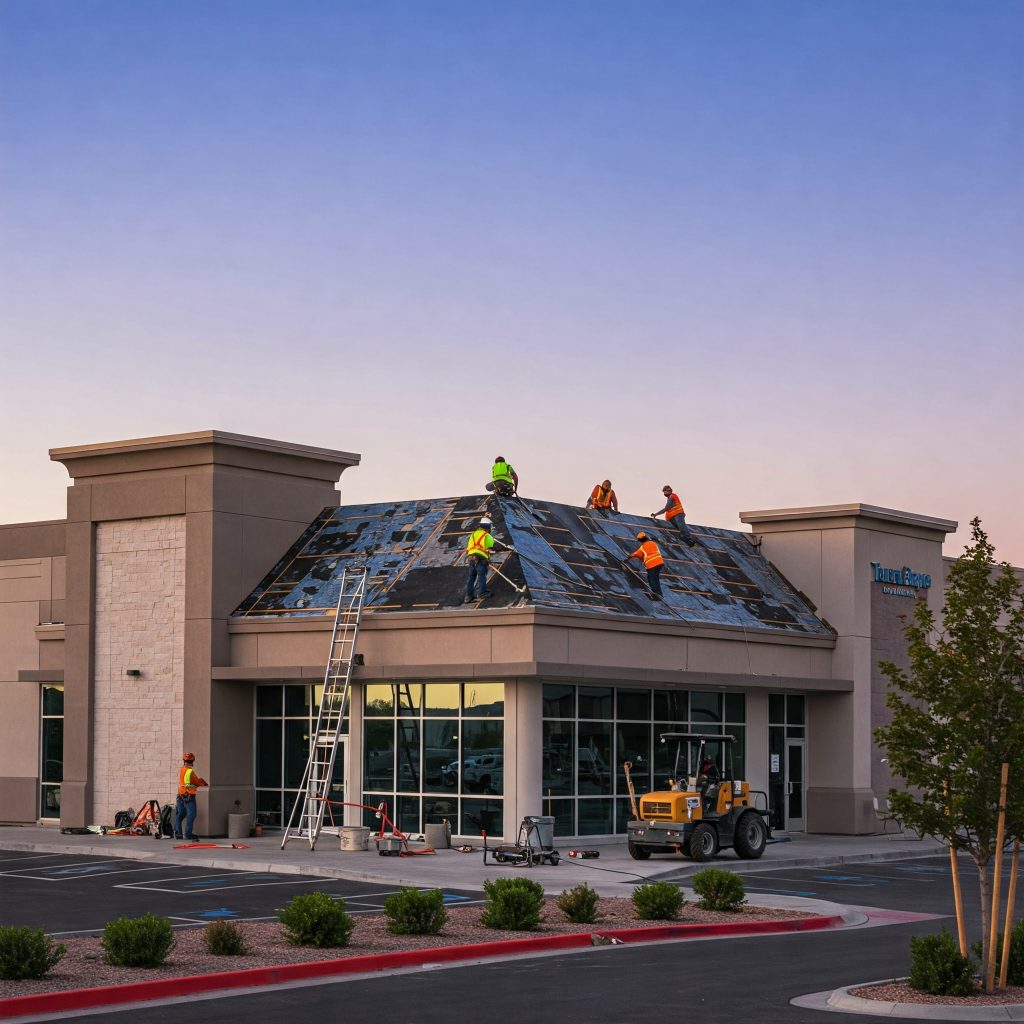
El Paso roof repair often comes down to one powerful force: the sun. Known as the Sun City, El Paso sees intense sunshine for most of the year, along with high desert heat, dry winds, and strong ultraviolet light. Flat commercial roofs take the brunt of it. Membranes dry out, seams weaken, coatings chalk, and surfaces crack long before many owners expect. Knowing how sun exposure wears down a roof helps you spot problems early and choose the right fix. This guide explains what to look for and how to respond.
Building owners, property managers, and facility teams across El Paso and the surrounding area can use it to protect their roofs and budgets.
Why the Sun Is So Hard on El Paso Roofs
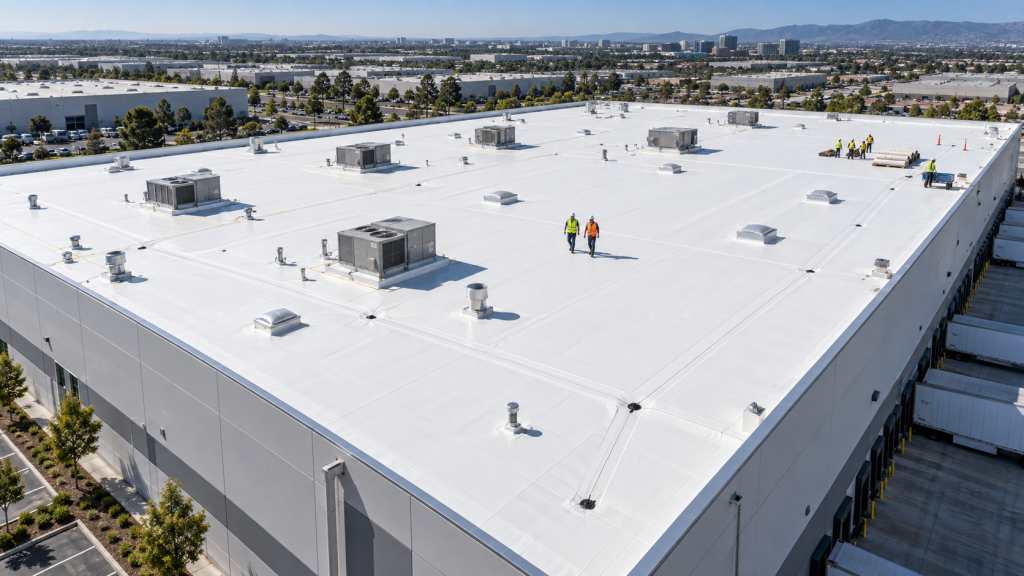
El Paso sits at high elevation in the Chihuahuan Desert. Thinner air and clear skies let more UV light reach the roof. In addition, summer roof surfaces can get extremely hot, especially on darker roofs. At night, temperatures drop. This daily cycle of heating and cooling makes materials expand and contract. Over time, that movement stresses seams, flashing, and fasteners.
How UV Light Damages Membranes
UV light breaks down the chemical bonds in many roofing materials. As a result, membranes can lose flexibility and become brittle. Surfaces may chalk, fade, or crack. On built-up and modified bitumen roofs, the surface granules or gravel may wear away, exposing the asphalt below. Once that happens, damage speeds up.
Common Signs of Sun Damage
Watch for these warning signs during inspections:
- Cracking, crazing, or alligator patterns on the surface
- Chalky residue that rubs off on your hand
- Loss of granules on modified bitumen roofs
- Shrinking membranes pulling away from walls and curbs
- Open or brittle seams
- Faded or worn coatings
Spotting these signs early makes El Paso roof repair simpler, faster, and less expensive for owners.
El Paso Roof Repair by Membrane Type
Different roofs handle sun differently. White TPO and PVC membranes reflect much of the sunlight, which keeps them cooler. Modified bitumen roofs often have reflective cap sheets or coatings. Built-up roofs rely on gravel or coatings for protection. Each type has its own repair methods, so the first step is knowing what you have.
El Paso Roof Repair Options
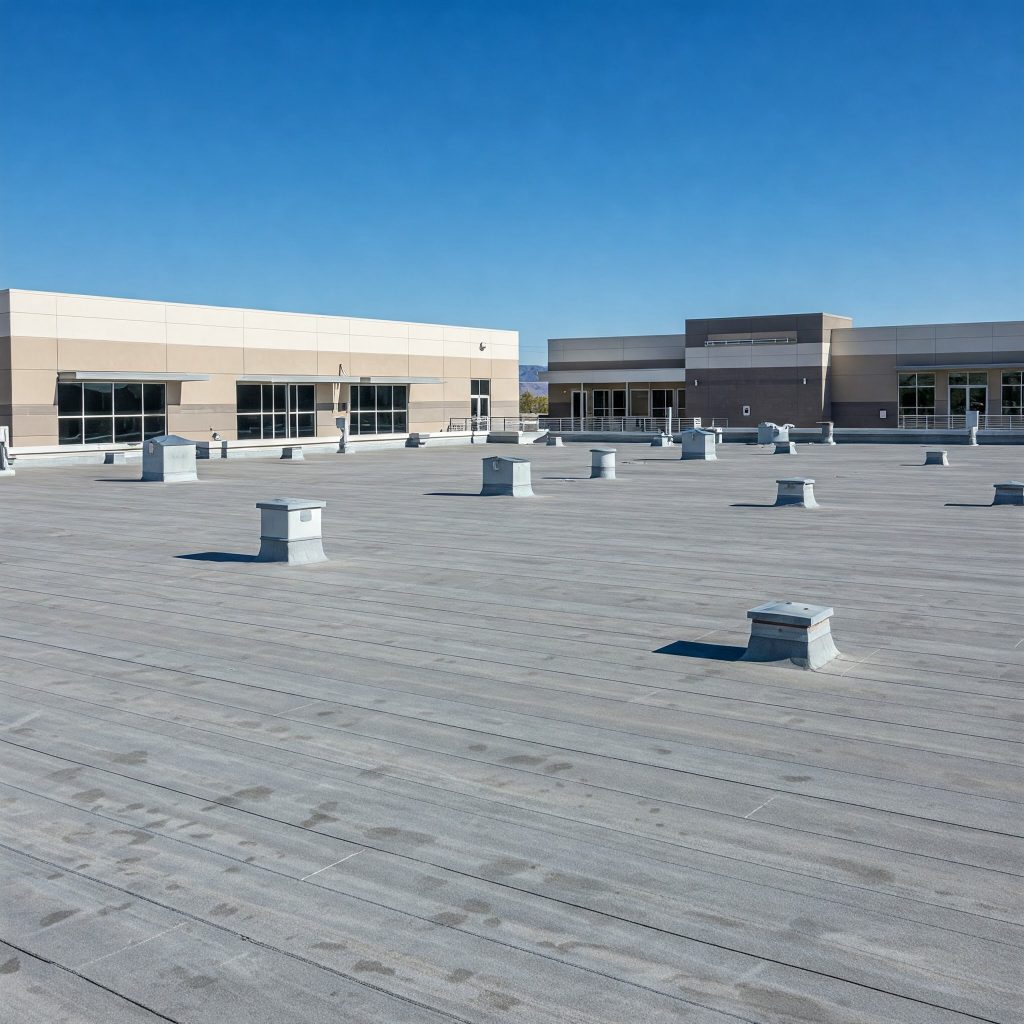
Repairs depend on the type and extent of damage. Common options include:
- Patching: Fixing cracks, punctures, or small damaged areas
- Seam repair: Rewelding or resealing open seams
- Flashing repair: Securing shrinking or loose flashing at walls and curbs
- Restoration coatings: Applying a reflective coating over a sound roof
- Section replacement: Replacing badly damaged areas
Our roof repair services page explains each option.
Reflective Coatings for Sun Protection
Roof coatings can add years to a sound roof. They reflect sunlight, lower roof temperatures, and seal small cracks. In El Paso’s climate, a quality white coating can also cut cooling costs. However, coatings only work on roofs that are mostly dry and structurally sound. Our roof coatings page covers when coatings make sense. The Cool Roof Rating Council also rates coating reflectivity.
El Paso Roof Repair After Wind and Dust
Spring winds in El Paso can be strong. They carry dust and grit that scour roof surfaces. In addition, high winds can lift weakened edges and flashing. So inspect edge metal, coping, and flashing after windy seasons. Clean drains and gutters of dust and debris as well.
Monsoon Season and El Paso Roof Repair
El Paso is dry most of the year. However, summer monsoon storms can bring sudden heavy rain. Sun-damaged roofs often leak during these storms, because cracks and open seams finally get tested. So the best time for El Paso roof repair is before monsoon season, usually in late spring.
When Repair Is Not Enough
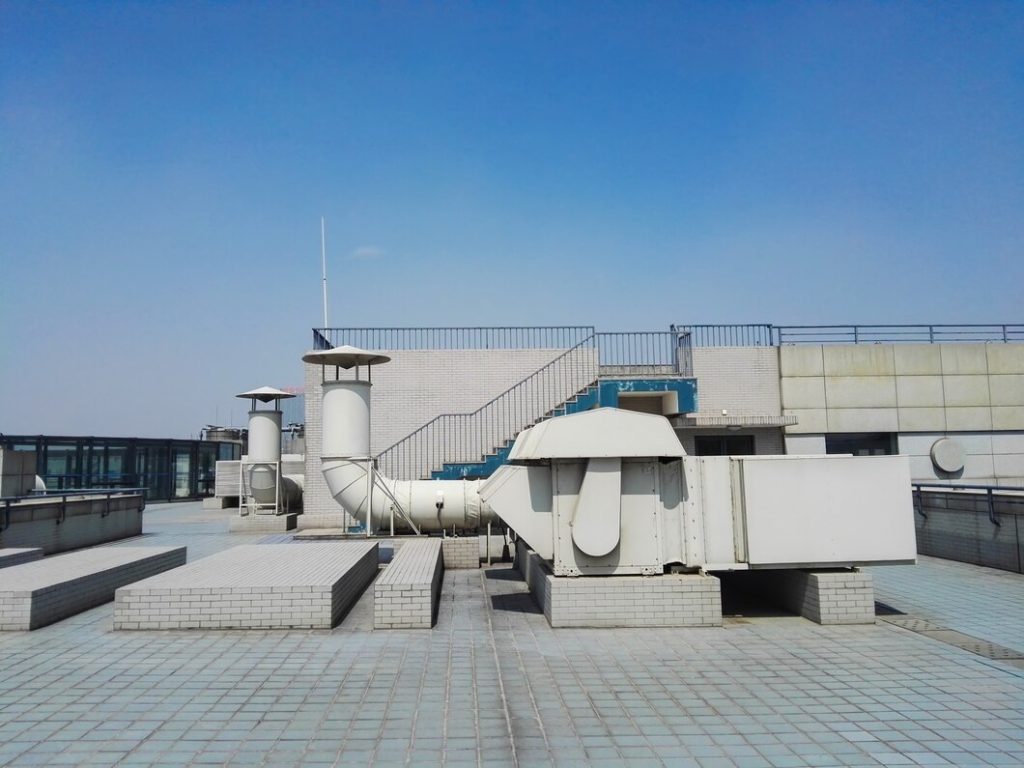
Repairs and coatings extend roof life. However, replacement may be needed when:
- The membrane is brittle across most of the roof.
- Insulation is wet in large areas.
- Repairs no longer stop leaks.
- The roof has reached the last years of its service life.
El Paso Roof Repair and Maintenance Plans
A simple maintenance plan protects your roof. Inspect twice a year, ideally in spring and fall. Also inspect after major wind or rain events. Clean drains and remove any dust or debris. Recoat reflective surfaces as recommended by the manufacturer. Keep records of every inspection and repair.
Energy Savings in the Desert
A reflective roof can lower cooling costs significantly in hot climates. So when you repair or recoat, consider white or highly reflective options. Lower roof temperatures also reduce thermal stress, which helps the roof last longer.
Rooftop Equipment in the Heat
Rooftop units work hard in El Paso summers. For example, technicians visit often to service them. Their foot traffic and tools can scuff sun-weakened membranes. In addition, condensate lines can drip onto the roof. So add walkway pads around units. Also check that condensate drains run to proper drains, not onto the membrane. These small steps prevent many repairs.
Budgeting for El Paso Roof Repair
Costs depend on the size and type of damage. Small patches are usually quick and affordable. In contrast, seam repairs across large areas or full coatings cost more. Emergency calls during monsoon storms may also cost extra. Therefore, plan a yearly repair budget. Then use inspection reports to fix small problems before they grow. Over time, this approach costs less than waiting for leaks.
Choosing a Roofer in El Paso
Pick a commercial roofer who knows desert roofs. Ask how they handle UV damage and coatings. Also ask for local references and photos of past work. Then check their insurance and warranty terms closely. A roofer who understands the Sun City climate will recommend repairs that last through many hot summers.
A Simple Seasonal Plan
Here is an easy plan for El Paso roofs. In early spring, inspect the roof and fix small cracks. Next, clean drains and check edges after the windy season. Then, in late spring, finish any repairs before monsoon storms. In summer, check for leaks after big rains. Finally, in fall, inspect again and plan next year’s budget. Following this simple rhythm keeps the roof in good shape.
Common Mistakes to Avoid
- Ignoring chalking and fine cracks
- Coating over wet or failing roofs
- Skipping inspections before monsoon season
- Letting dust clog drains
- Choosing dark roof surfaces in extreme sun
FAQ on El Paso Roof Repair
How often should El Paso roofs be inspected?
At least twice a year, plus after strong winds or heavy storms. Each visit should end with photos and a short written report you can keep on file.
Do roof coatings really help in El Paso?
Yes, on sound roofs. They reflect heat and slow UV damage. However, the roof must be clean, dry, and mostly free of leaks before coating. Your roofer will check this first.
When is the best time for El Paso roof repair?
Late spring, before monsoon storms arrive. That timing gives crews dry weather and lets you fix weak spots before heavy summer rain tests them. It also avoids the hottest weeks of the year.
Protect Your Roof From the Sun
Early repairs keep sun damage from turning into leaks. Visit our El Paso roofing page, or schedule a roof inspection today.