
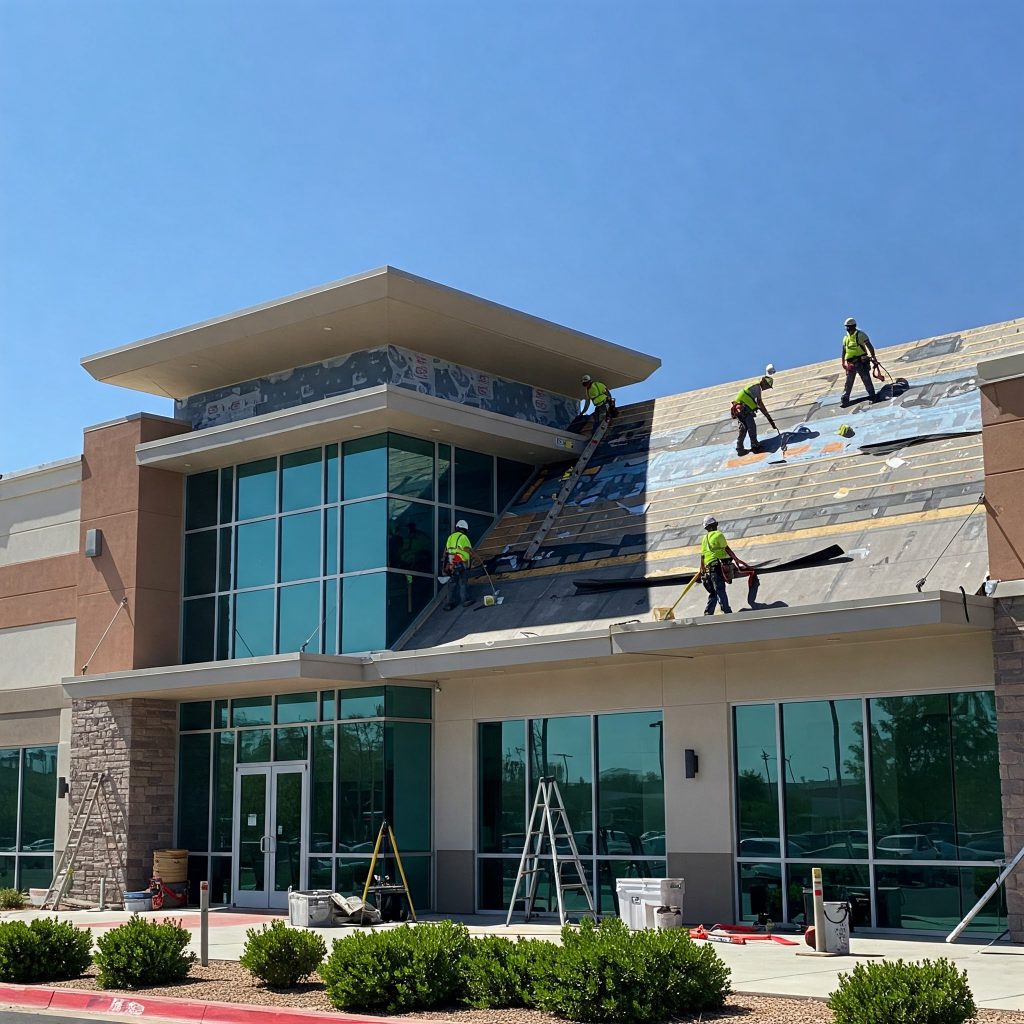
Fort Worth commercial roofing projects are only as good as the contractor behind them. A roof protects everything under it, from inventory and equipment to tenants and customers. Yet roofing companies vary widely in skill, insurance, warranty strength, and honesty. After a big North Texas hail storm, the choices can feel overwhelming, as local firms get busy and out-of-town crews arrive. This guide explains how to choose a contractor for your building, step by step, so you hire with confidence.
Owners, property managers, and facility teams across Fort Worth, from the Alliance corridor to the Near Southside, can use it before they sign a contract.
Why the Contractor Matters So Much
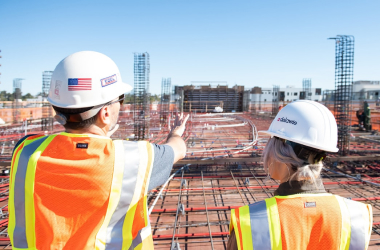
Two roofers can install the same material and get very different results. One team welds every seam carefully, flashes every curb, and keeps the building dry. Another rushes, skips details, and leaves leaks behind. In other words, the installer matters as much as the roof system. So choosing the right Fort Worth commercial roofing contractor is the most important decision in the project.
Step 1: Define Your Needs
Start by understanding your roof. How old is it? What type of system is it? Are there leaks or storm damage? Do you need a repair, a recover, or a full replacement? In addition, think about your building’s use. A warehouse, a medical office, and a retail center each have different needs for noise, access, and scheduling.
Step 2: Fort Worth Commercial Roofing Experience
Commercial roofing is very different from residential work. Flat and low-slope roofs use different materials, tools, and methods. So look for a contractor who focuses on commercial projects. Ask how many similar buildings they have roofed in the last few years. Also ask for photos and addresses of local projects.
Step 3: Check Insurance and Registrations
Texas does not have a statewide license for roofing contractors. However, cities may require registrations or permits, and some roofers hold voluntary credentials. Most importantly, verify insurance. A qualified contractor should carry general liability and workers’ compensation coverage. Ask for certificates sent directly from their insurance agent. Then confirm the dates and limits.
Fort Worth Commercial Roofing Manufacturer Approvals
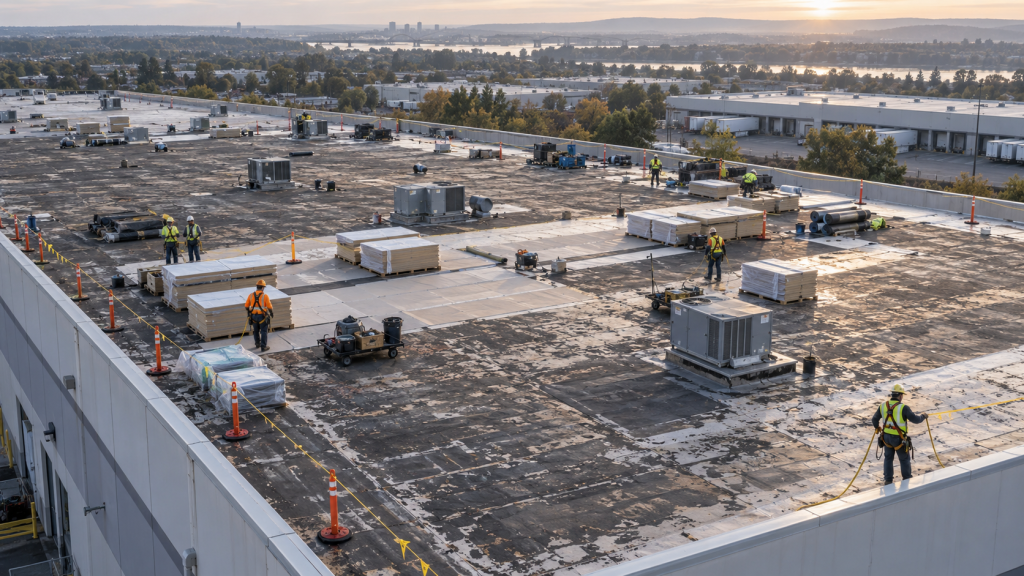
Many roofing manufacturers certify contractors to install their systems. These approvals matter because they often unlock stronger warranties. For example, some manufacturer warranties cover both materials and labor for 20 years or more. However, they usually require an approved installer and a final inspection by the manufacturer. Ask which manufacturers approve your contractor.
Step 4: Safety on Fort Worth Commercial Roofing Jobs
Roofing is dangerous work. Falls are a leading cause of injuries in construction. So ask about the contractor’s safety program. Do they use guardrails, warning lines, and harnesses? How often do crews get training? Is there a written safety plan? The OSHA website explains fall protection rules for roofing.
Step 5: Request Detailed Bids
Get at least two or three bids. Each one should describe the scope clearly. Look for these details:
- Roof system, membrane thickness, and insulation
- Tear-off or recover approach
- Deck repair allowances and unit prices
- Flashing, edge metal, and drains
- Warranty type and length
- Schedule and working hours
- Permits and cleanup
Our post on reading a roof estimate explains how to compare bids.
Comparing Fort Worth Commercial Roofing Bids
The lowest price is not always the best value. A low bid may use thinner materials, skip insulation, or leave out key details. On the other hand, the highest bid is not always the best either. So line up each bid side by side. Then ask each contractor to explain differences. A good contractor welcomes questions.
Red Flags to Watch For
- Pressure to sign the same day
- Large cash deposits before work starts
- No local address or references
- Vague bids without material details
- Offers to waive your insurance deductible
- No proof of insurance
After big storms, some out-of-town crews knock on doors. Many are honest, but some disappear once the job is done. So verify every company carefully.
References and Reviews
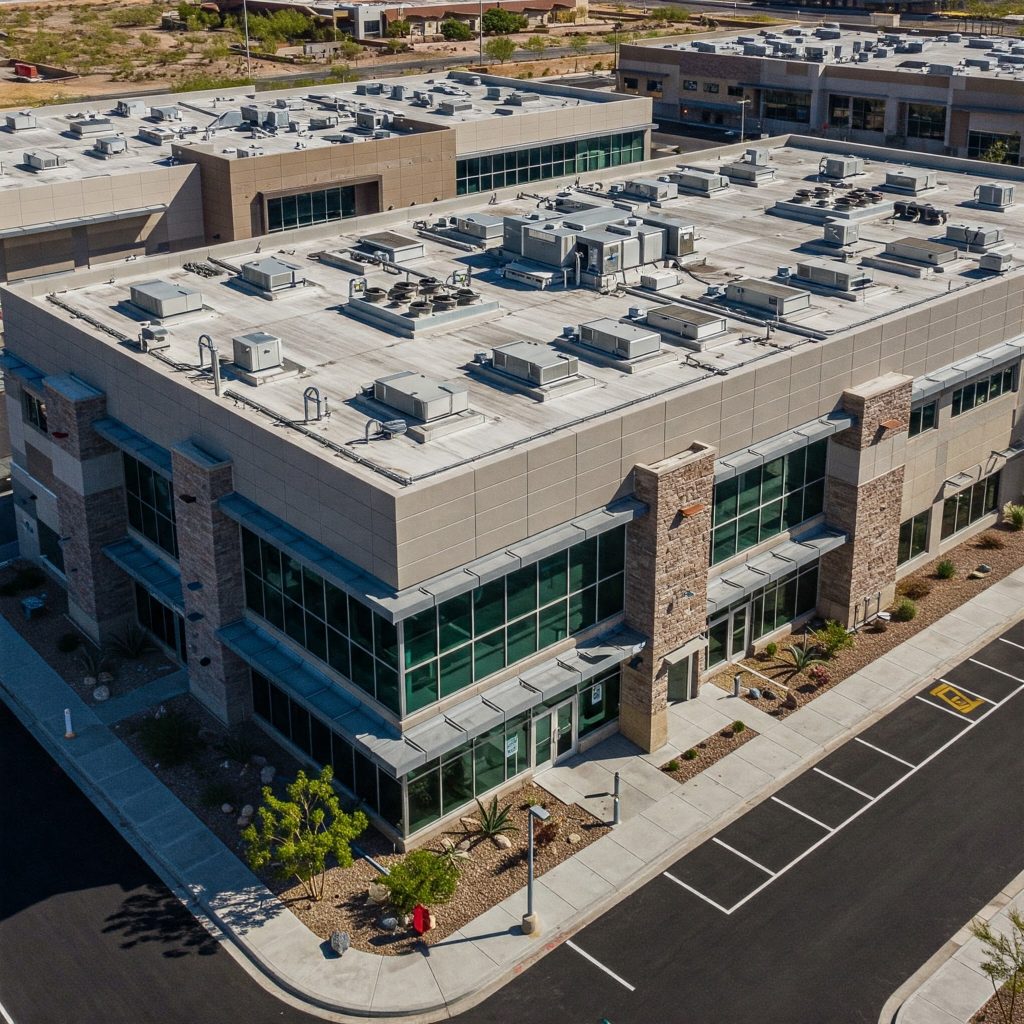
Call references from recent commercial projects. Ask whether the job finished on time, whether the crew kept the site clean, and how the contractor handled problems. Also read online reviews, but focus on patterns rather than single comments. In addition, ask how long the company has been in business in Fort Worth.
Communication and Project Management
Good roofers communicate clearly. Ask who your main contact will be. Also ask how often you will get updates. For occupied buildings, ask how they will protect tenants, manage noise, and handle leaks during construction. Our post on roofing occupied buildings covers these topics.
Fort Worth Commercial Roofing Warranties
At the end of the job, you should receive warranty documents, a final invoice, and photos. Many owners also request a roof plan showing the new system and any repairs. Keep these records in a safe place. They matter for insurance, maintenance, and future sales.
Fort Worth Commercial Roofing and Hail
Fort Worth sits in one of the most hail-prone parts of the country. So ask how the contractor handles storm damage, insurance documentation, and emergency repairs. A contractor who knows the local storm season can help you plan inspections and respond quickly when hail hits.
Questions to Ask Every Bidder
- How long have you worked in Fort Worth?
- Who will run the job each day?
- What is your plan if it rains during tear-off?
- How will you protect tenants and parking areas?
- What will the warranty cover, and for how long?
Write down each answer. Then compare them side by side. Clear, direct answers are a good sign. Vague answers, on the other hand, often hint at problems later in the job.
Meet the Team Before You Sign
A short meeting tells you a lot. Ask the project manager to walk the roof with you. Watch how they explain problems. Do they point out details you missed? Do they listen to your concerns? Good roofers teach as they go. That habit usually carries into the job itself.
Fort Worth Commercial Roofing for Different Building Types
Fort Worth has many kinds of commercial buildings. For example, the Alliance area is full of large distribution centers with huge, flat roofs. Meanwhile, downtown and the Near Southside have older brick buildings with parapet walls and complex flashing. Retail centers along major roads have many tenants under one roof. So ask each contractor which building types they know best. Then pick a team that matches your property. In short, the right fit matters as much as the right price for Fort Worth commercial roofing.
FAQ on Fort Worth Commercial Roofing
Does Texas license roofing contractors?
Not statewide. That makes checking insurance, references, and experience even more important. Take your time on these checks.
How many bids should I get?
Usually two or three detailed bids are enough to compare. More than that can slow decisions without adding much value.
What warranty should I expect?
It varies, but manufacturer warranties often run 10 to 20 years or more. Read the fine print on what is covered and what voids it.
Hire With Confidence
The right contractor protects your roof and your investment. Visit our Fort Worth roofing page, or reach out to our team for a free roof assessment.