
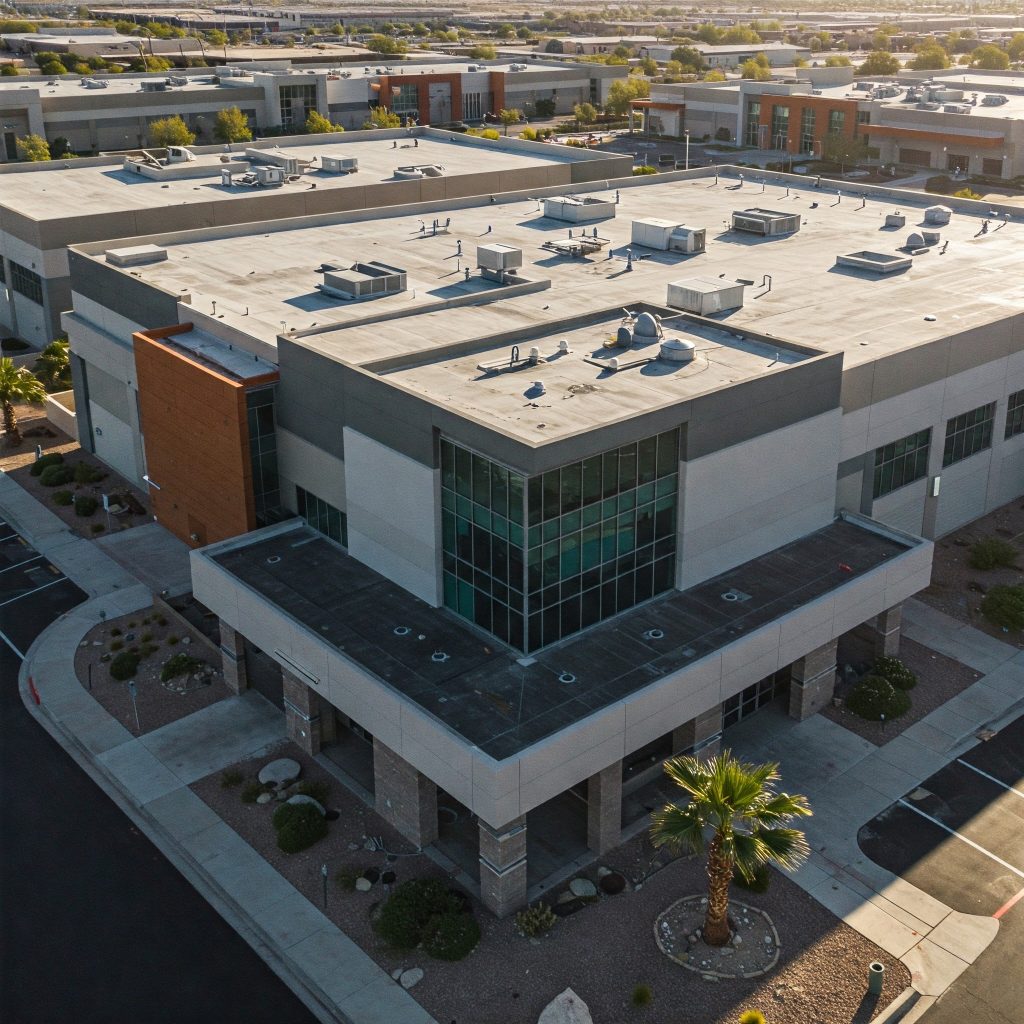
Lubbock roof maintenance has to account for some of the toughest weather in Texas. The South Plains see frequent spring hail, powerful straight-line winds, blowing dust, and wide temperature swings. A single storm can bruise a membrane, tear flashing, clog drains with dirt, and loosen rooftop equipment. Much of that damage hides from anyone standing in the parking lot, and small problems can grow into leaks months later. This guide explains how to plan inspections after hail and high winds, so your commercial roof lasts longer and your insurance records stay strong.
Property managers, owners, and facility teams across Lubbock and the South Plains can use it to build a simple maintenance routine.
Why Lubbock Roofs Take a Beating
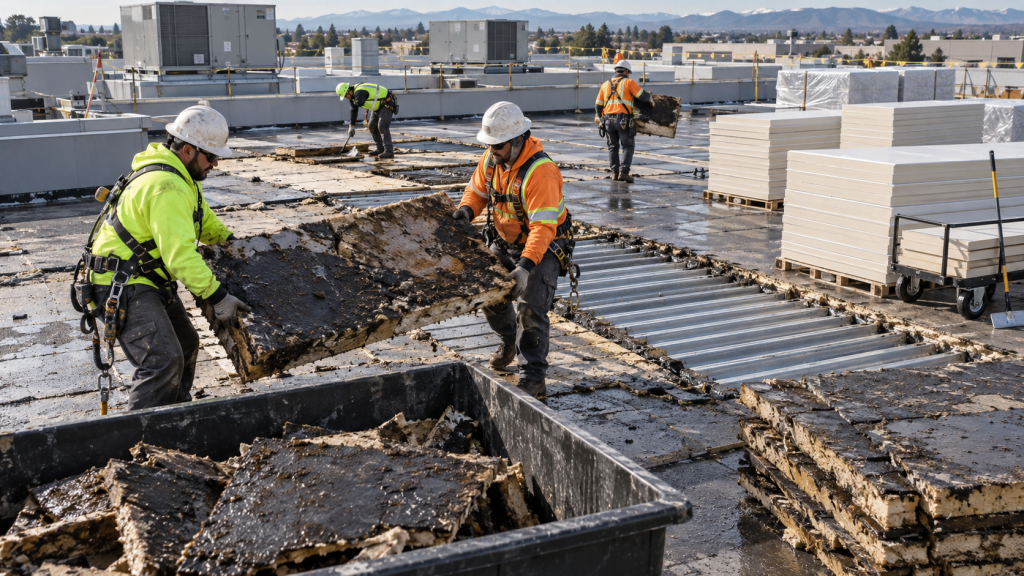
Lubbock sits on flat, open land with few natural windbreaks. As a result, wind speeds can climb quickly during storms. In addition, the area sees large hail several times in some years. Dust storms can also roll through, carrying grit that scours roof surfaces and fills drains. Together, these forces wear down commercial roofs faster than in milder climates.
What Maintenance Includes
Good Lubbock roof maintenance covers four main tasks:
- Inspections: regular checks plus storm-driven visits
- Cleaning: clearing drains, gutters, and debris
- Repairs: fixing small issues before they grow
- Records: keeping photos and reports for each visit
Each task supports the others. Together, they protect the roof and the building.
Setting an Inspection Schedule
Plan inspections at least twice a year, in spring and fall. In addition, schedule inspections after:
- Any hail storm in your area
- High wind events, especially over 50 miles per hour
- Major dust storms
- Roof work by other trades, like HVAC repairs
The National Weather Service Lubbock office posts storm reports that can tell you when hail or high winds hit your area.
Lubbock Roof Maintenance After Hail
Hail damage can be subtle. So inspectors look closely for:
- Bruises or soft spots in the membrane
- Punctures and cracks
- Dents in metal edges, vents, and HVAC units
- Granule loss on modified bitumen roofs
- Cracked skylights and roof hatches
Some damage takes months to turn into leaks. That is why prompt inspections matter, especially for insurance claims.
Lubbock Roof Maintenance After High Winds
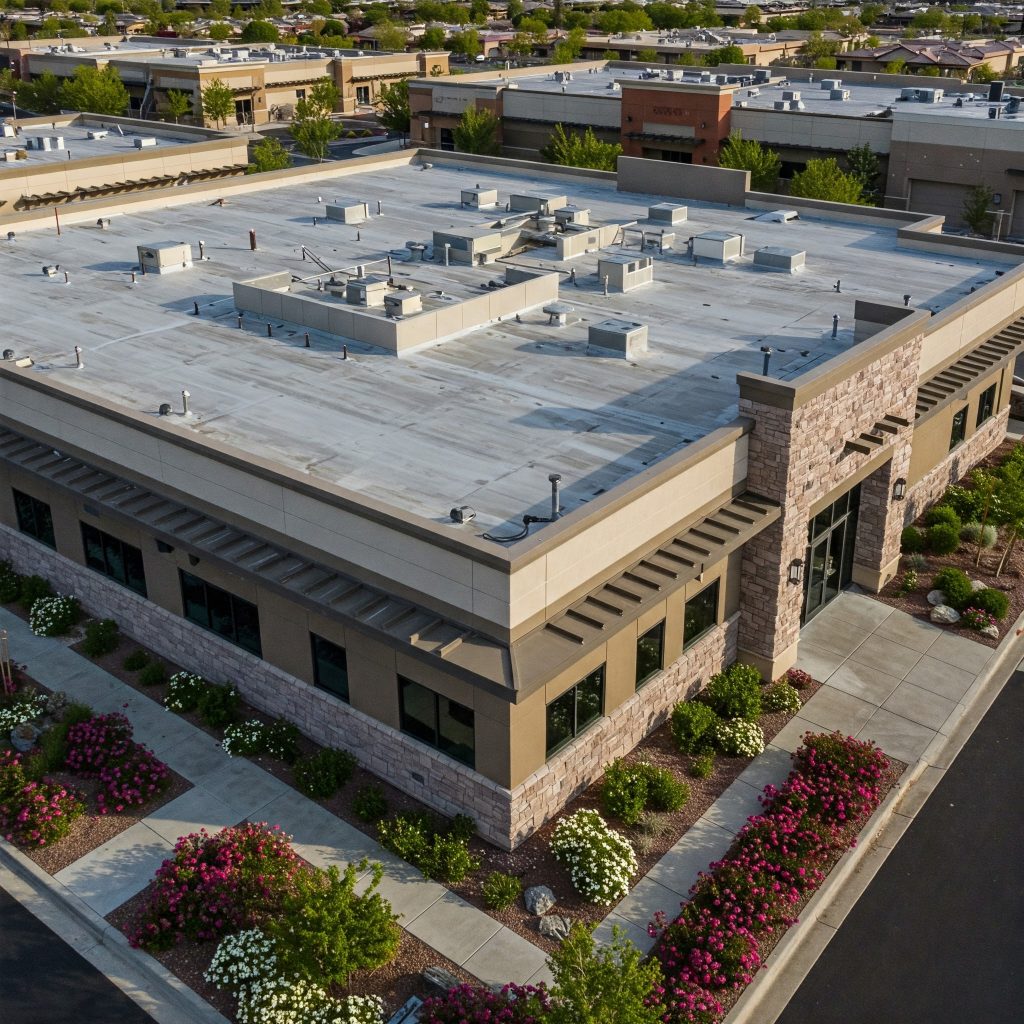
Wind targets the edges and corners of a roof. So inspectors check edge metal, coping, and flashing for loose or missing pieces. They also look for lifted seams and loose fasteners. In addition, they check that rooftop units, vents, and solar panels are still secure. A small lifted edge can become a large failure in the next storm.
Lubbock Roof Maintenance for Dust and Drainage
Dust storms leave dirt behind. Over time, that dirt builds up in drains, gutters, and low spots. As a result, water can pond after rain. Ponding adds weight and speeds up wear. So clean drains and scuppers after dust events. Also check strainers and overflow drains.
Temperature Swings and Lubbock Roof Maintenance
Lubbock can see big temperature changes in a single day. Materials expand and contract with each swing. Over time, this movement stresses seams and flashing. So inspectors look for cracks at flashing joints, separated seams, and loose sealant around penetrations.

Lubbock Roof Maintenance Records
Records are a key part of maintenance. For every visit, file a short report that includes photos, notes, and a marked-up roof plan. Mark repairs and problem areas. Store these records where you and your team can find them quickly. If hail damage leads to an insurance claim, a history of regular maintenance strengthens your case.
Insurance Claims After Storms
If a storm damages your roof, act fast. First, document the damage with photos. Next, get a professional inspection report. Then contact your insurer. Many policies have deadlines for reporting storm damage. Also check your deductible, since hail deductibles may be a percentage of the property value.
Making Small Repairs Quickly
Small repairs are cheap compared with leaks. So fix minor issues right away. Patch small punctures, reseal flashing, and replace damaged pipe boots. Our roof maintenance tips post explains why small fixes matter.
Planning for the Long Term
Maintenance also helps you plan. Inspection reports show how the roof is aging. Over time, you can forecast when replacement will be needed and build that into your budget. Our capital planning page shows how to plan for future roof costs.
Who Should Do the Inspections?
Some owners ask building staff to walk the roof. That helps for quick checks. However, trained roofers spot problems staff may miss. So use both. Staff can look for obvious damage and clogged drains. Then a roofer can do a full inspection twice a year and after big storms. Also make sure anyone on the roof follows fall safety rules.
Lubbock Roof Maintenance Checklist
- Walk the whole roof, edge to edge.
- Check seams, flashing, and pipe boots.
- Look for hail bruises and dents.
- Check edge metal and coping.
- Clean drains, gutters, and scuppers.
- Check that rooftop units are secure.
- Take photos and write notes.
Use this list on every visit. It keeps inspections consistent, even when different people do them over the years.
Budgeting for Maintenance
Maintenance costs far less than early replacement. So set aside a small amount each year. Use it for inspections, cleaning, and minor repairs. In addition, plan a storm reserve for hail years. With steady care, many roofs last well past their expected life. That saves owners a lot of money over time.
Lubbock Roof Maintenance for Different Roof Types
Each roof type needs slightly different care. For example, single-ply TPO or PVC roofs mainly need clean surfaces and tight seams. Modified bitumen roofs need checks for granule loss and cracks. Metal roofs need fastener and rust checks. So tell your roofer what type of roof you have. Then build the maintenance plan around it. Your roofer can suggest the right checks and products for each system. Following those steps also keeps most manufacturer warranties valid, which protects your investment for years.
A Year of Lubbock Roof Maintenance
Here is a simple yearly rhythm. In March, inspect before storm season and clear drains. From April to June, check after each hail or wind event. In July, look for heat damage and fix small issues. In October, do a full fall inspection. Finally, in December, review records and plan next year’s budget. This routine keeps your roof ready for whatever the South Plains sky brings.
Common Mistakes to Avoid
- Waiting for leaks before inspecting after hail
- Ignoring loose edge metal after wind
- Letting dust clog drains
- Skipping records and photos
- Missing insurance reporting deadlines
FAQ on Lubbock Roof Maintenance
How often should Lubbock roof maintenance inspections happen?
Twice a year at minimum. Add a visit after hail, high winds, and major dust storms.
Can hail damage be hidden?
Yes. Bruises and small cracks may not leak until months later. That is why a close inspection right after each storm matters so much. It also helps your insurance claim, since many policies set deadlines for reporting damage.
Why keep maintenance records?
They support insurance claims and help plan future repairs and budgets.
Protect Your Roof Year-Round
Steady maintenance keeps your roof ready for the next storm. Visit our Lubbock roofing page, or schedule a storm inspection today.