
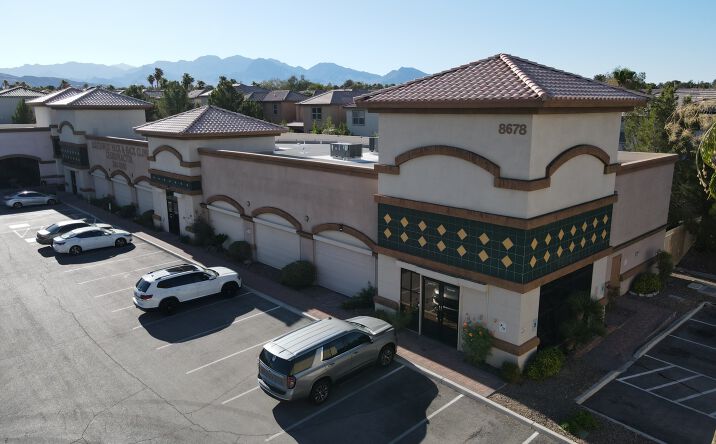
San Antonio roof replacement is not always the only answer when a commercial roof starts to fail. Sometimes a repair fixes the problem for years. Other times, a recover system installed over the old roof gives you a new surface for less money. And sometimes, full replacement is the smartest long-term move. The right choice depends on the roof’s condition, your budget, how long you plan to own the building, and local factors like South Texas heat and hail. This guide walks through each option, so you can decide with confidence.
Owners and managers of San Antonio commercial buildings can use it before they request bids.
Three Paths for an Aging Roof
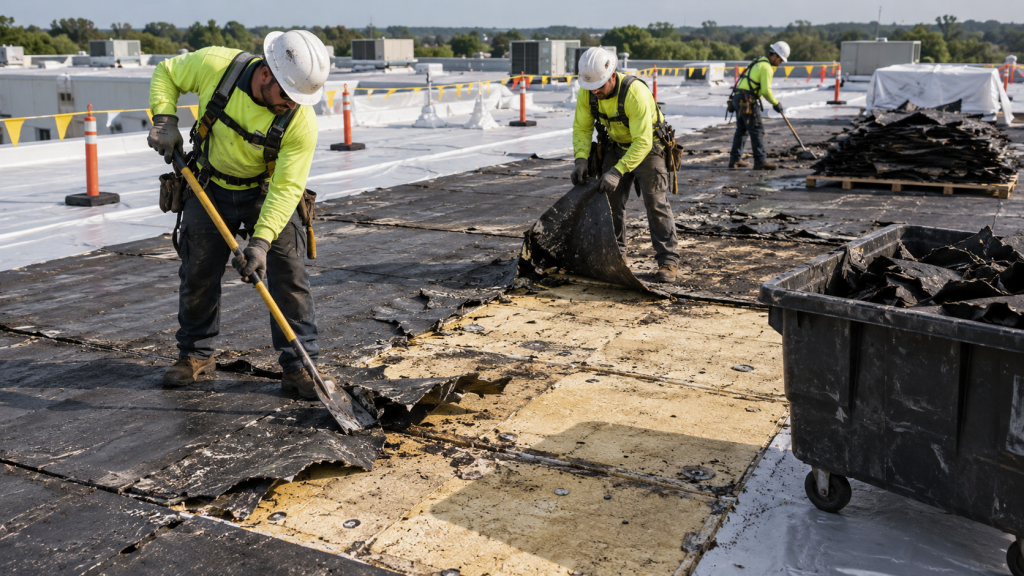
When a commercial roof shows wear, there are three main options:
- Repair: Fix specific problems, such as leaks, open seams, or damaged flashing.
- Recover: Install new insulation or cover board and a new membrane over the existing roof.
- Replace: Tear off the old roof down to the deck and install a complete new system.
Each path has its own cost, lifespan, and limits.
Why San Antonio Roof Replacement Comes Up Early
South Texas is hard on roofs. Long, hot summers bake membranes and dry out sealants. Strong UV rays break down surfaces over time. In addition, spring storms can bring large hail that bruises or punctures roofs. Heavy rain events can also test drains and flashing. As a result, many San Antonio roofs need attention sooner than their rated life suggests.
When Repair Makes Sense
Repair is often the right choice when:
- The roof is fairly young, often under 10 to 12 years old.
- Damage is limited to a few areas.
- Insulation below is mostly dry.
- The membrane is still flexible and well attached.
Repairs cost the least and cause little disruption. However, they only fix specific problems. They do not reset the roof’s overall life. Our post on repair vs replacement explains these trade-offs in more depth.
When a Recover Makes Sense
A recover installs a new roof system over the old one. It works well when:
- The existing roof is aging but the deck is solid.
- Most insulation is dry, with only small wet areas to remove.
- There is only one existing roof layer.
- The building can handle the added weight.
Recovers usually cost less than full replacement, because there is less tear-off and disposal. They also cause less disruption. However, building codes limit how many roof layers you can have. In most cases, if there are already two roofs, a recover is not allowed. The International Code Council publishes the model building codes that set these limits.
When San Antonio Roof Replacement Is the Best Choice
Full replacement usually wins when:
- The roof is near or past the end of its life.
- Large areas of insulation are wet.
- The deck is damaged or rusted.
- There are already two roof layers.
- Leaks keep coming back after repairs.
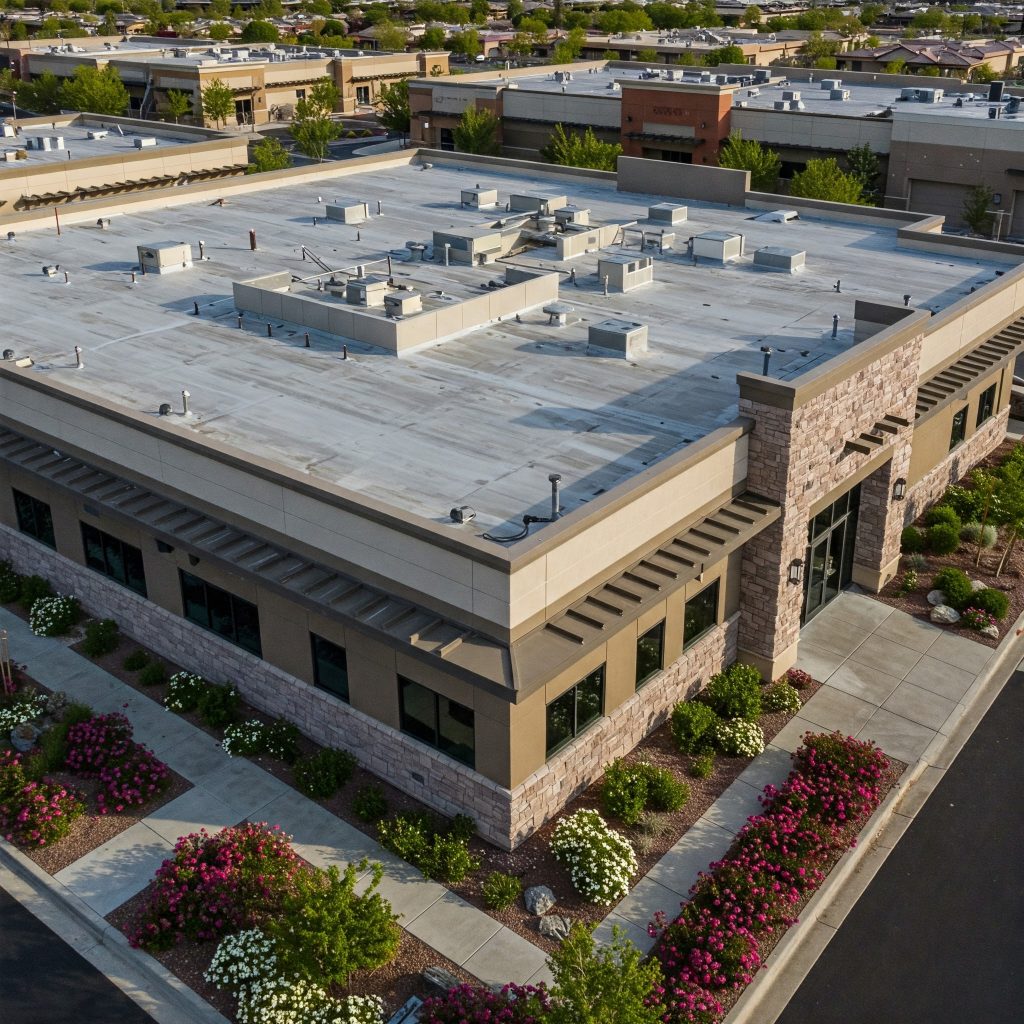
A San Antonio roof replacement costs more up front. However, it resets the roof’s life, allows a full inspection of the deck, and lets you upgrade insulation and drainage.
Step 1: Get a Thorough Inspection
Every repair, recover, or San Antonio roof replacement decision starts with an inspection. A qualified roofer checks the surface, seams, flashing, drains, and rooftop equipment. Next, they often take core samples to count layers and check for wet insulation. Some contractors also use infrared scans to map moisture. This data shows which option is realistic.
Step 2: San Antonio Roof Replacement and Life-Cycle Costs
Do not just compare today’s prices. Instead, compare the cost per year of service. For example, a repair may last a few years. A recover may add 15 to 20 years. A full replacement may last 20 years or more. Divide each cost by its expected life to see the real value. Our roof life cycle page explains this approach.
Step 3: Think About Your Plans
Your ownership plans matter as much as the roof itself. If you plan to sell in two years, a repair may be enough. If you plan to hold the building for decades, a San Antonio roof replacement may offer the best value. Likewise, if a major tenant is signing a long lease, a new roof can be a selling point.

Energy Savings in South Texas Heat
A new roof or recover can lower cooling costs. White reflective membranes reflect sunlight and reduce heat gain. In addition, added insulation keeps buildings cooler. In San Antonio’s long summers, these upgrades can save real money. The Cool Roof Rating Council rates roofing products for reflectivity.
Hail, Insurance, and San Antonio Roof Replacement
Hail is common in South Texas, and it triggers many a San Antonio roof replacement. If hail damaged your roof, insurance may cover part of the repair or replacement. Document the damage quickly with photos and an inspection report. Also check your policy for deductibles and age-based limits.
San Antonio Roof Replacement Timeline
Repairs may take a day or two. Recovers and replacements usually take a few weeks, depending on size and weather. Permits, material lead times, and storms can affect the schedule. So plan early, especially before the spring storm season.
A Simple Decision Guide
Still unsure? Try this quick test. First, ask your roofer how old the roof is and how many layers it has. Next, ask what percentage of the insulation is wet. Then ask how many leaks you had in the last two years. If the roof is young, mostly dry, and rarely leaks, repair it. If it is middle-aged with one layer and mostly dry insulation, consider a recover. However, if it is old, wet, or already has two layers, plan a San Antonio roof replacement.
Keeping Tenants Comfortable
Any roof project affects the people below. For example, tear-off is noisy, and some adhesives have odors. So share the schedule with tenants early. In addition, plan noisy work for mornings when possible. Meanwhile, keep entrances and parking clear of equipment. A recover usually causes less disruption than full tear-off, which is another point in its favor.
Working With a Qualified Roofer
Choose a licensed, insured commercial roofer with experience in all three options. A good roofer will explain honestly which path makes sense, even if it means a smaller job. Also ask for references and manufacturer certifications. Our guide on choosing a roofing company offers a helpful checklist.
Common Mistakes to Avoid
- Choosing a recover when the insulation is wet
- Repairing a roof that has reached the end of its life
- Ignoring code limits on roof layers
- Comparing bids on price alone
- Waiting until after storm season to act
FAQ on San Antonio Roof Replacement
Is a recover cheaper than San Antonio roof replacement?
Usually, yes, because it avoids most tear-off and disposal.
How do I know if insulation is wet?
Core samples and infrared scans are the most common methods. Both are quick and cause little disruption.
Can a roof be recovered more than once?
Usually not. Most codes limit roofs to two layers. Once you reach that limit, the next step is a full tear-off and new roof.
Make the Right Call
The right choice protects your property for years. Visit our San Antonio roofing page, or request an inspection today.