
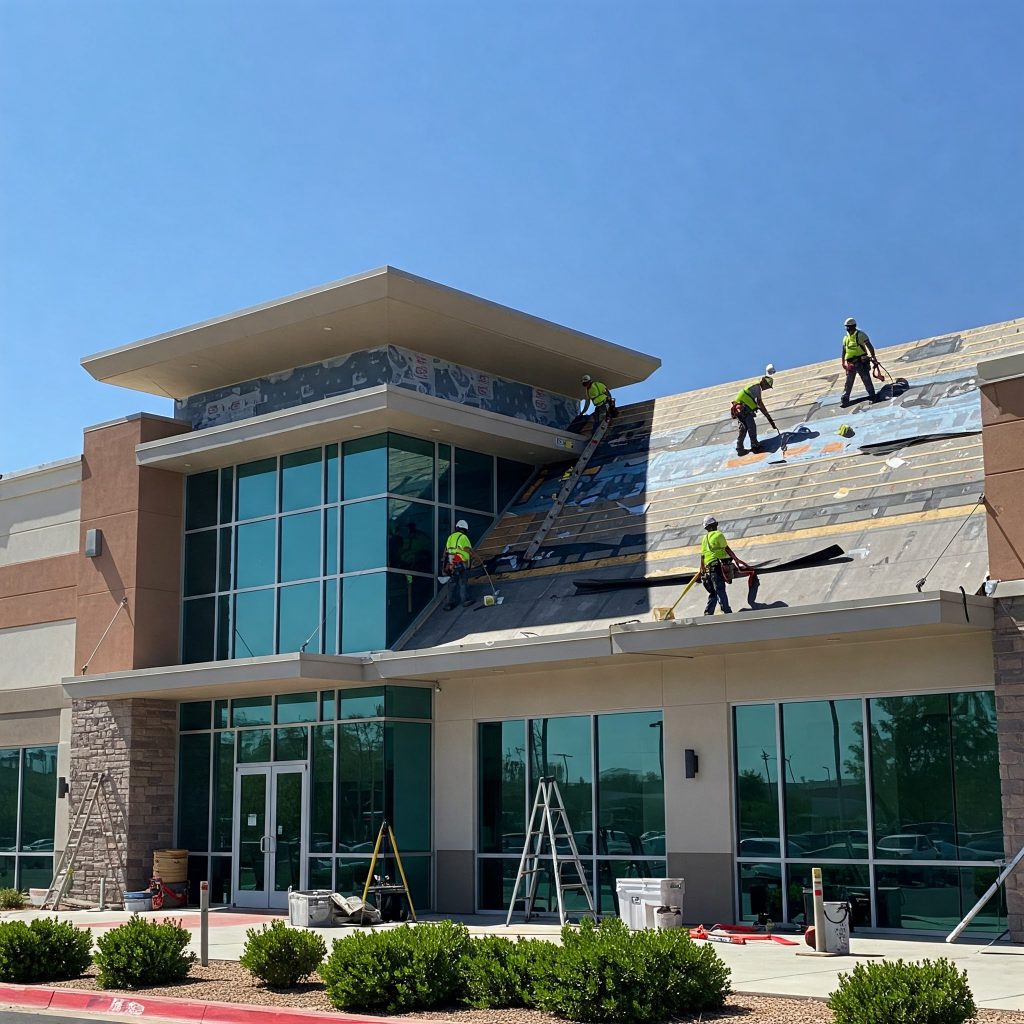
Choosing a commercial roofing company for an occupied building takes more than comparing prices. While crews tear off and rebuild the roof, people are working, shopping, or receiving care just below. Noise, odors, debris, and safety risks all affect them. A great roofer plans for every one of these issues before the first crew arrives. This guide explains what to look for, which questions to ask, and how to protect your tenants during the work.
Property managers, building owners, and facility directors can use it to hire with confidence.
Why Occupied Buildings Are Different
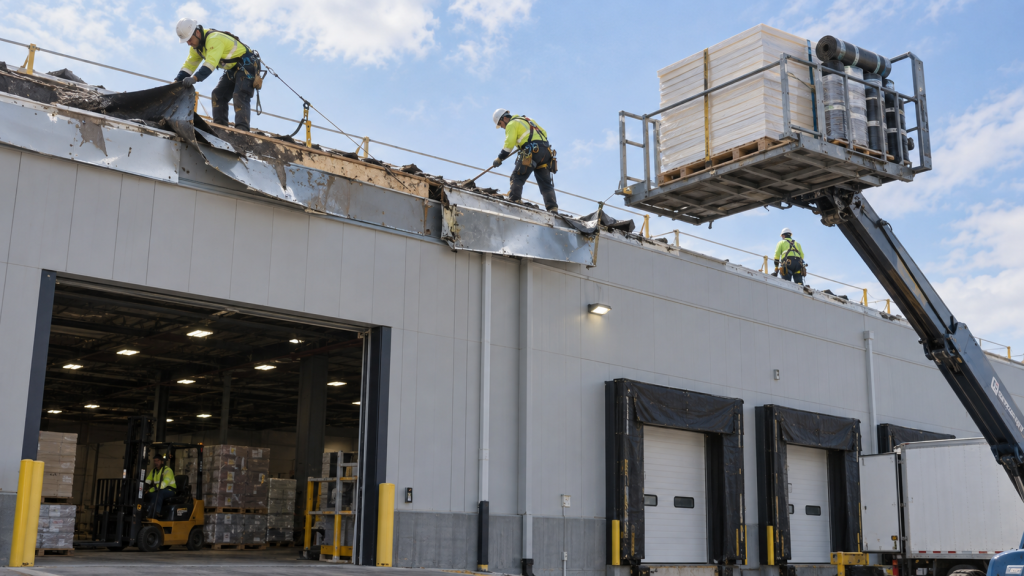
On an empty building, a roofer can work fast and loud. In an occupied building, every choice affects people below. For example, a tear-off creates dust and noise. Some adhesives and hot-applied materials produce strong odors. Cranes need clear zones near entrances. Meanwhile, a sudden storm could let water into occupied spaces.
Because of this, the right commercial roofing company treats tenant safety and comfort as part of the job, not an afterthought.
Check That the Commercial Roofing Company Is Qualified
First, before anything else, confirm that each company:
- Holds the required state and local licenses
- Carries general liability and workers’ compensation insurance
- Has experience with your roof type
- Is approved by the maker for warranty work
- Has a written safety program
Ask for certificates of insurance. Also, check that the limits meet your lease and lender requirements.
Ask About Occupied-Building Experience
However, not every roofer is used to working above active tenants. So ask directly: how many occupied-building projects have you completed recently? Can we speak with those owners? What went well, and what would they change?
Look for experience with buildings like yours. A roofer who works on schools, hospitals, or busy retail centers will understand the stakes.
Safety Plans for Workers and the Public
Above all, safety is the top priority. A strong commercial roofing company will show you a site-specific safety plan. It should cover:
- Fall protection, such as guardrails and warning lines
- Protection of entrances and walkways below
- Crane lift zones and timing
- Debris chutes and dumpster placement
- Fire watch for any hot work
- Emergency procedures
The OSHA fall protection rules apply to all commercial roofing. Ask how the crew meets them.
Odor and Air Quality Control
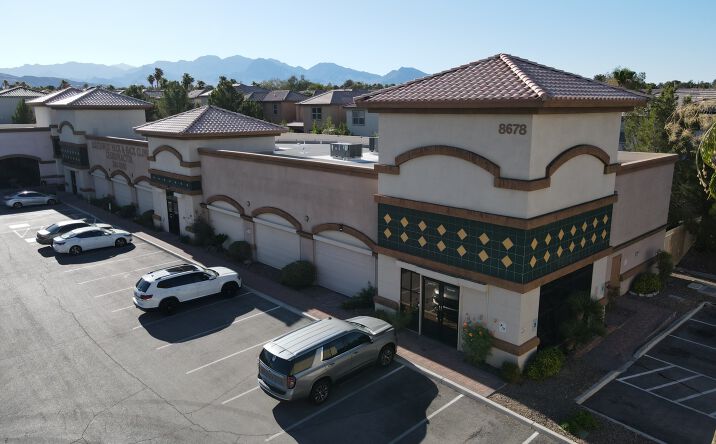
Also, some roofing products have strong smells. These can drift into rooftop air intakes and fill the building. A thoughtful roofer will plan for this. For example, they may choose low-odor adhesives, coordinate with HVAC staff to close outside air dampers, or schedule smelly work for off-hours.
This matters most in hospitals, schools, labs, and offices with sensitive occupants. Ask each bidder how they handle odors.
How a Commercial Roofing Company Manages Noise
Of course, tear-off is loud. Fastening new insulation can also create noise and vibration below. A good commercial roofing company will discuss work hours with you. They may schedule the loudest work early in the morning, at night, or on weekends, depending on your tenants.
How a Commercial Roofing Company Phases Work
In most cases, crews phase occupied-building projects. Crews tear off and replace one section at a time. At the end of each day, that section is watertight. This approach limits risk if weather changes. It also lets crews work around sensitive areas, such as server rooms or patient spaces.
Ask each bidder how they plan to phase your roof and how they will protect open areas overnight.
Tenant Communication
In addition, clear communication keeps tenants calm. The best roofers help you share:
- Start and end dates
- Daily work hours
- Crane lift days
- Areas that will be blocked
- A contact person for questions
Some roofers provide notices you can post or email. Ask whether they offer this support.
Weather Planning
Meanwhile, weather is the biggest risk on an occupied building. A sudden storm over an open roof can soak offices or inventory. So ask how the crew watches forecasts, how much roof they open each day, and how fast they can seal it.
Comparing Bids From a Commercial Roofing Company
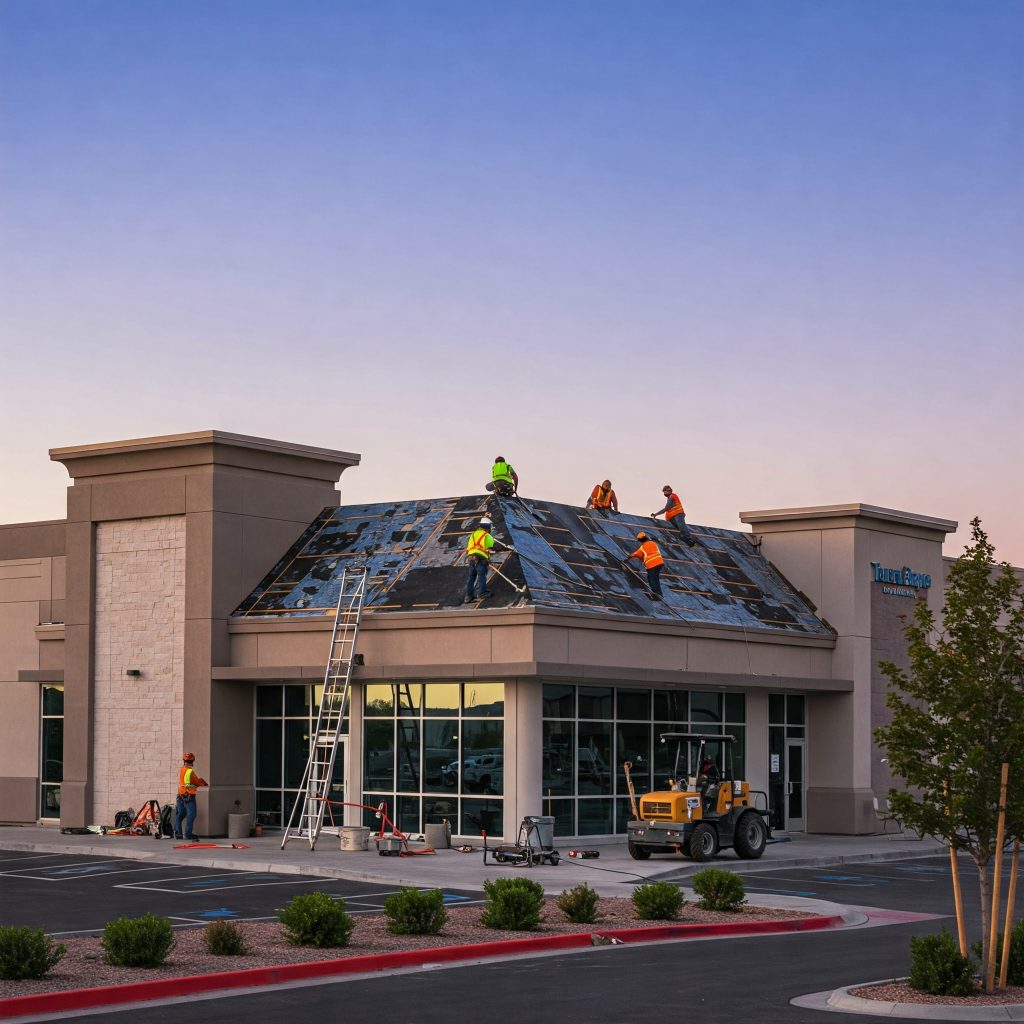
When comparing bids, look beyond price. Check that each covers the same scope, insulation, membrane, and warranty. Then compare safety plans, phasing, and tenant protection. Our post on what an estimate should include offers a full checklist.
Questions to Ask in Interviews
- How many occupied-building projects have you done recently?
- Who will supervise the job on site each day?
- How will you protect tenants and the public?
- What is your plan for odors and noise?
- Roughly how much roof will you open each day?
- What happens if a storm hits mid-project?
- Can we speak with recent references?
Special Cases: Hospitals, Schools, and Data Centers
Some buildings raise the stakes even higher. Hospitals cannot let odors reach patient rooms. Schools need work done around class hours and student safety. Data centers cannot risk a single drop of water. For these buildings, choose a commercial roofing company with direct experience in that setting. Ask for references from similar sites, and ask how they handled the special risks.
What Happens After the Job
The relationship should not end at the final payment. A good roofer hands over warranty papers, photos, and a roof plan showing what they installed. They also offer follow-up inspections. In addition, they respond quickly if a problem shows up in the first year. Ask about this support before you sign.
Daily Check-Ins With Your Commercial Roofing Company
On occupied buildings, short daily check-ins help a lot. The site lead and the property manager review the plan for the day, any tenant concerns, and the weather. Then any problem gets fixed fast. This simple habit builds trust and keeps the project on track. It also gives tenants a clear voice, which makes them far more patient with the noise and the crane.
Red Flags
- No written safety plan
- No experience with occupied buildings
- Vague answers about phasing or weather
- Pressure to sign quickly
- Missing license or insurance
Costs of Working Above Tenants
Work in an occupied building can cost a bit more. Night or weekend shifts raise labor rates. Extra safety barriers, odor controls, and smaller daily work areas also add time. Still, these costs protect tenants and your reputation. In addition, they prevent the far bigger costs of a lawsuit, a soaked office, or a lost tenant. So view them as insurance, not waste.
Working Well With Your Commercial Roofing Company
Finally, treat your roofer as a partner. Share building rules early. Introduce them to key tenants and building staff. Answer questions quickly. Share tenant concerns as soon as you hear them, so the crew can adjust their plan the same day. In return, a good commercial roofing company will keep you informed and solve problems before they reach your desk.
FAQ on Choosing a Commercial Roofing Company
Can tenants stay in the building during roof replacement?
Usually, yes. Careful phasing, safety plans, and communication make it possible.
Should I hire the lowest bidder?
Not by default. Compare scope, safety, and experience first. The lowest price can cost more later.
Choose a Partner You Can Trust
The right roofer protects both your building and the people inside. Learn more on our property manager guide, or talk with our team about your project.