
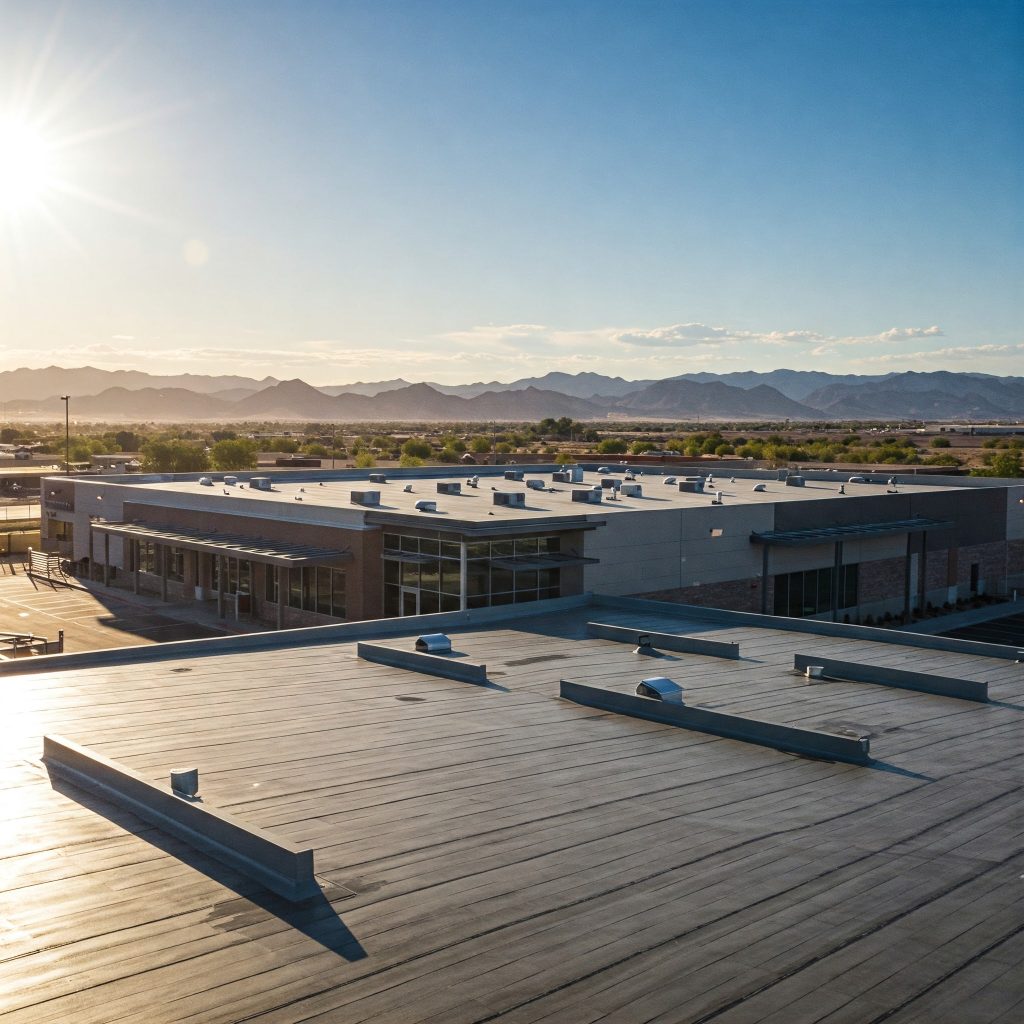
Austin commercial roof replacement lands on a property manager’s desk in many ways. Sometimes it is a planned capital project. Other times, a spring hailstorm or a stubborn leak forces the issue. Either way, the manager must juggle owners, tenants, budgets, contractors, permits, and weather. A clear plan makes that juggling act much easier. This guide walks property managers through each stage, from budgeting to closeout, with tips tailored to Central Texas.
Property managers, asset managers, and building engineers across Austin, Round Rock, and Cedar Park can use it as a working checklist.
Why Planning Ahead Pays Off
A roof replacement touches nearly every part of a property. It affects tenants, budgets, insurance, and building operations. When managers plan early, they get better bids, smoother schedules, and fewer complaints. In contrast, rushed projects often cost more and cause more disruption. So start planning one to two years before the roof reaches the end of its life.
Step 1: Know Your Roof’s Condition
First, gather what you know. Find the roof’s age, system type, and warranty. Review past repair records and leak reports. Then schedule a professional inspection. Many managers also order core samples or infrared scans to check for wet insulation. This information helps you decide when to replace and what scope you need.
Step 2: Budget for Austin Commercial Roof Replacement
Austin commercial roof replacement is a major capital expense. So build the budget with care. Include:
- Base roof system and insulation
- Allowances for deck repairs
- Flashing, edge metal, and drain upgrades
- Rooftop equipment disconnects and reconnects
- Permits and engineering if needed
- A contingency of about ten percent
Our capital planning page explains how to fit roof costs into long-term budgets.
Step 3: Get Owner Approval
Owners want clear facts. So present the inspection findings, the options, and the costs in a simple summary. Show photos of problem areas. Compare repair, recover, and replacement options. Then explain the risk of waiting. A well-organized proposal speeds up approval.
Step 4: Select a Contractor
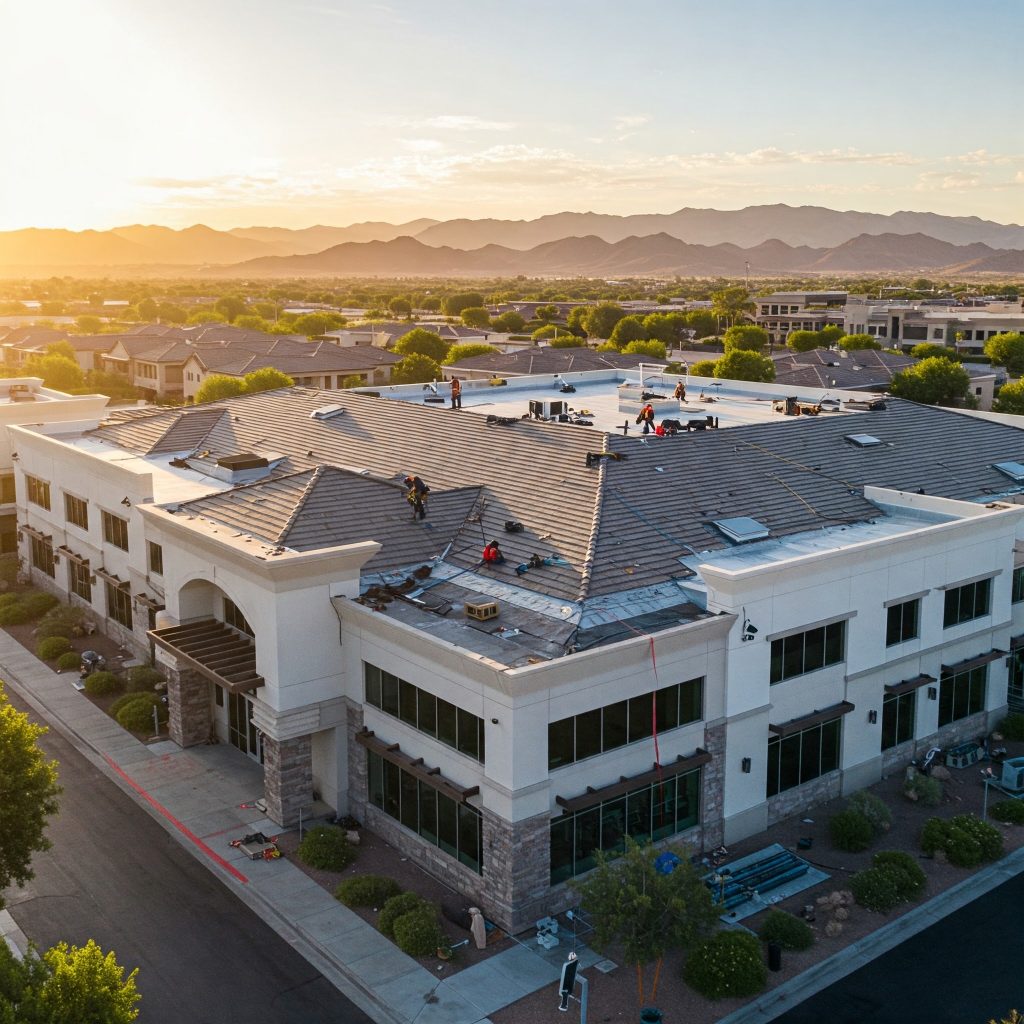
Invite qualified commercial roofers to bid. Give each one the same scope, drawings, and site access. Ask about experience, insurance, safety, manufacturer approvals, and references. Then compare bids line by line. Our post on reading roof estimates can help.
Austin Commercial Roof Replacement and the Weather
Central Texas weather affects timing. Spring often brings hail and heavy storms. Summer brings intense heat that slows crews and affects some materials. Fall and early winter are often the most comfortable seasons for roofing. However, Austin also sits near Flash Flood Alley, so sudden downpours can happen any time. The National Weather Service Austin/San Antonio office provides forecasts that crews follow closely.
Step 5: Permits for Austin Commercial Roof Replacement
Most commercial roof replacements in Austin need a permit from the city. Your contractor usually handles the application. However, some projects may also need landlord, lender, or association approval. In addition, historic or special districts may have extra rules. Confirm these early to avoid delays.
Step 6: Plan Tenant Communication
Tenants want to know what to expect. So send a notice before work starts. Include the schedule, work hours, noise, parking changes, and safety rules. Also share a contact for questions and leak reports. During the project, send short updates. Our property manager guide has sample notice tips.
Austin Commercial Roof Replacement During Construction
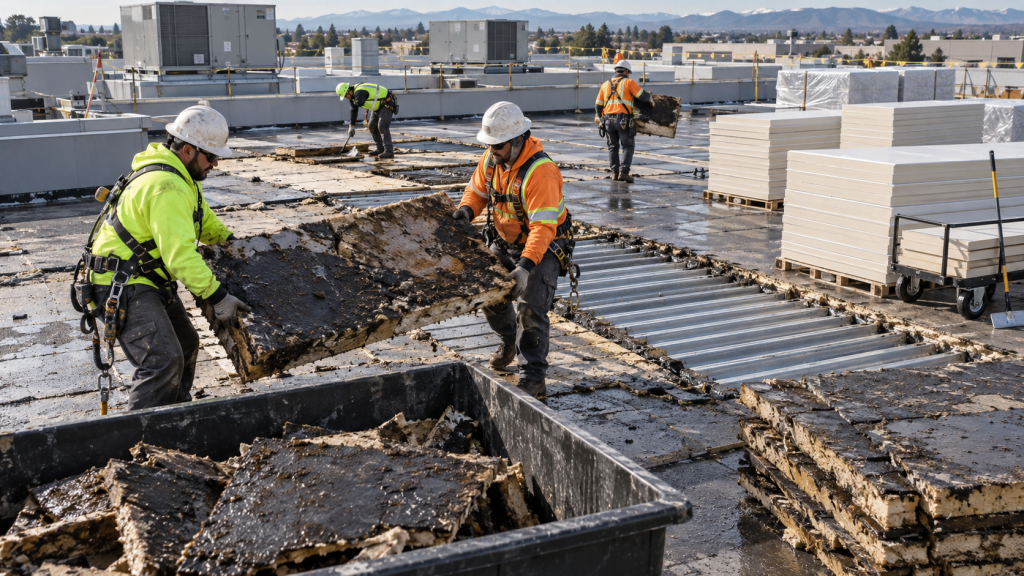
During the project, managers play a key role. Walk the site regularly. Check that crews keep entrances clear and protect landscaping. Confirm that open roof areas are sealed each night. Meanwhile, keep a log of tenant concerns and how they were handled. Weekly meetings with the contractor help solve problems quickly.
Rooftop Equipment Coordination
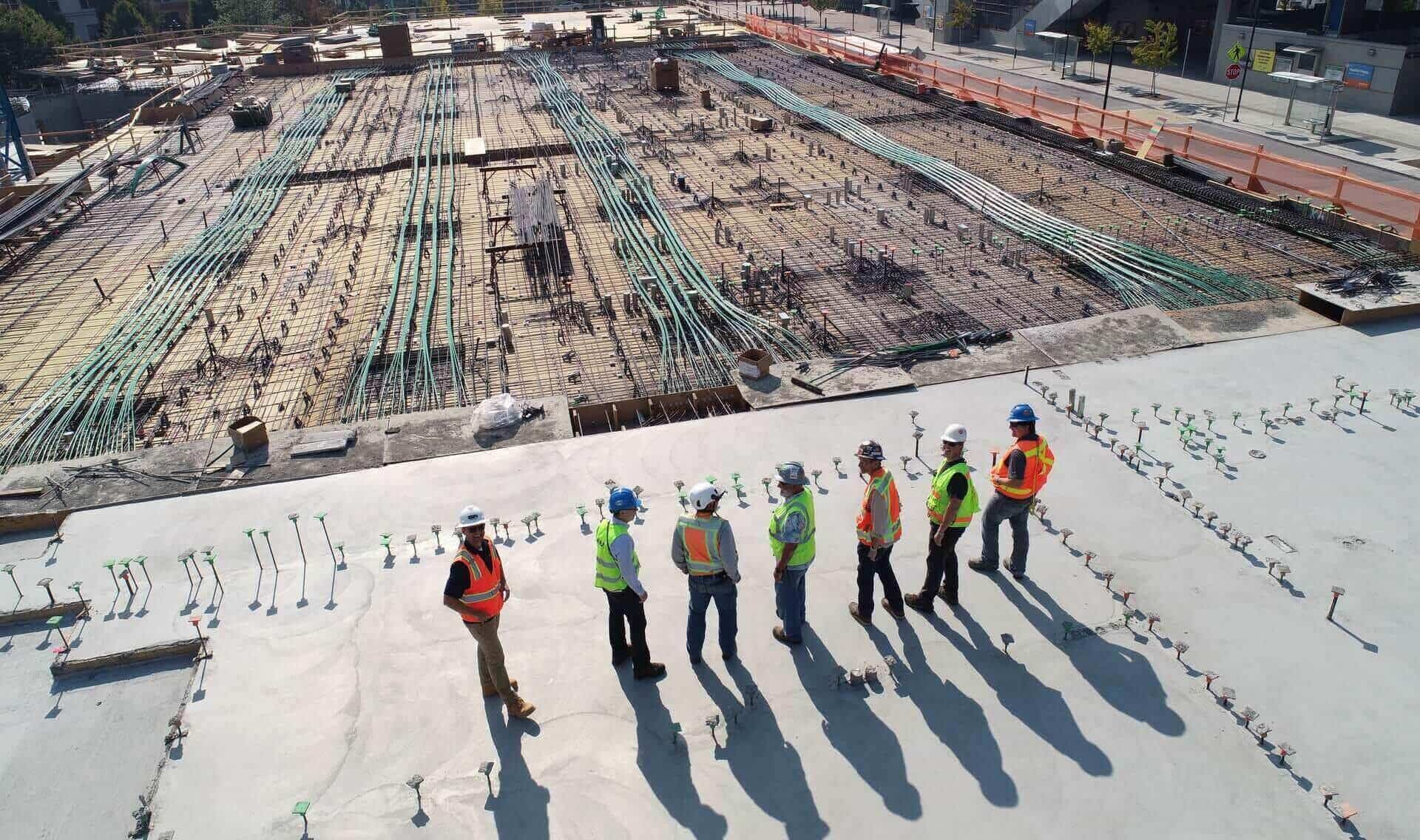
Many roofs hold HVAC units, exhaust fans, and solar panels. These may need to be disconnected, lifted, or raised on new curbs. So coordinate with HVAC and electrical contractors early. Plan any shutdowns for times that affect tenants the least. Crane lifts may also need street or parking lot closures.
Closing Out an Austin Commercial Roof Replacement
When the work ends, collect all closeout documents. These include the warranty, final inspection report, photos, as-built roof plan, and lien releases. Store them in a central file. Then set up a maintenance schedule to protect the new roof and keep the warranty valid.
A Sample Timeline
Every roof is different. Still, a typical plan looks like this:
- Year one: Inspect the roof and set a budget.
- Six months out: Write the scope and get owner approval.
- Three months out: Collect bids and pick a roofer.
- One month out: Pull permits and notify tenants.
- Construction: Most roofs take a few weeks.
- After the job: Collect records and start maintenance.
Working backward from your target date keeps the project calm and on track.
Austin Commercial Roof Replacement and Insurance
Hail often triggers a roof project in Central Texas. If a storm damaged your roof, call your insurer quickly. Then document damage with photos and an inspection report. In addition, keep copies of every estimate and invoice. Some policies pay based on the roof’s age, so read your coverage carefully. Your roofer can help explain damage to the adjuster.
Keep Owners in the Loop
Owners do not want surprises. So send a short weekly note. Share progress, photos, and any changes. Flag issues early, such as deck damage found during tear-off. Then explain the cost and the fix. Clear updates build trust and speed up approvals for any change orders.
Plan the Next Roof Now
A new roof is the start of a new life cycle. So set up a maintenance plan right away. Schedule inspections each spring and fall. Also budget for small repairs each year. These steps protect the warranty and help the roof last. Our roof life cycle page explains how to plan ahead.
A Quick Pre-Construction Checklist
- Scope and bids reviewed and approved
- Contract signed with schedule and warranty terms
- Permit in hand
- Tenant notices sent
- Rooftop equipment plan confirmed
- Staging and dumpster areas marked
Check every box before the first crew arrives. It keeps day one calm. It also shows tenants and owners that the project is well run. In addition, it gives the roofer a clean, clear start, which often speeds up the whole job.
Common Mistakes to Avoid
- Waiting until leaks force an emergency replacement
- Skipping core samples and moisture scans
- Comparing bids with different scopes
- Forgetting to notify tenants early
- Losing warranty paperwork after closeout
FAQ on Austin Commercial Roof Replacement
How far ahead should property managers plan?
Ideally one to two years before the roof reaches the end of its life. That window gives you time to budget, get approvals, and book a good roofer before the busy season.
What is the best season for Austin commercial roof replacement?
Fall and early winter often work best, though storms can happen any time. Book your roofer early, because good crews fill their fall calendars quickly.
Who handles permits?
Usually the roofing contractor, with support from the property manager. The manager often supplies drawings, owner approvals, and access details that the city may ask for during review.
Plan a Smooth Replacement
Good planning keeps owners, tenants, and budgets on track. Visit our Austin roofing page, or book a planning call with our team.